Unexpected legal and financial crises can disrupt nearly every aspect of a person’s life. Whether someone is recovering from auto accident injuries, facing mounting medical bills, dealing with workplace injuries, or responding to criminal accusations, the pressure can become overwhelming very quickly. Many individuals are forced to make important decisions while managing emotional stress, physical pain, and uncertainty about the future.
Legal representation plays an essential role in helping people protect their rights during these difficult moments. Insurance companies, creditors, employers, and opposing attorneys often have extensive resources and experience working to minimize their own liability. Without professional guidance, individuals may accept unfair settlements, miss critical deadlines, or fail to understand the long-term consequences of their decisions.
This guide explores several important areas of law that commonly affect individuals and families during times of crisis. Readers will gain insight into personal injury claims, workers’ compensation, criminal defense, estate planning, probate administration, and bankruptcy protection. Understanding these legal systems can help people make informed decisions and take meaningful steps toward financial and personal recovery.
The Landscape of Personal Injury Law
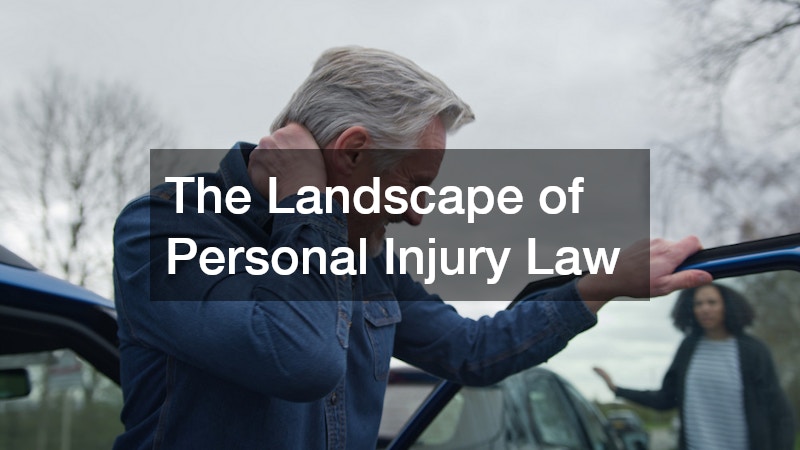
Personal injury law is designed to provide compensation to individuals who suffer harm because of another party’s negligence or misconduct. Cases may involve vehicle collisions, workplace accidents, defective products, medical malpractice, or unsafe property conditions. A personal injury law firm helps injured individuals pursue financial compensation for medical expenses, lost income, pain and suffering, and other damages related to the incident.
Negligence is one of the foundational concepts in personal injury law. To succeed in a claim, the injured party must typically demonstrate that another person or organization owed a duty of care, violated that duty, and directly caused measurable harm. Evidence such as medical records, accident reports, photographs, witness statements, and expert testimony often plays a critical role in establishing liability.
Many personal injury cases settle outside of court, but some disputes proceed to trial when parties cannot agree on fair compensation. Settlements often provide quicker resolutions and lower legal expenses, while trials may offer opportunities for larger awards in complex or severe cases. Experienced attorneys evaluate each situation carefully to determine whether negotiation or litigation offers the strongest path forward for their clients.
After a Crash: Understanding Your Rights on the Road
The moments immediately following a vehicle collision can significantly impact both a person’s health and any future legal claim. Drivers and passengers should prioritize safety by contacting emergency services, seeking medical attention, and documenting the accident scene whenever possible. Taking photographs, collecting witness information, and obtaining a police report can strengthen a future claim and help preserve important evidence.
Determining fault after a crash is often more complicated than many people realize. Insurance adjusters may review traffic laws, driver statements, surveillance footage, vehicle damage, and expert analysis to determine liability. In some states, comparative negligence laws can reduce compensation if the injured party is found partially responsible for the collision.
Hiring a car accident lawyer becomes particularly important when injuries are severe, liability is disputed, or insurance companies refuse to offer fair settlements. An attorney can handle negotiations, investigate the accident thoroughly, and protect clients from tactics designed to minimize payouts. Individuals dealing with significant auto accident injuries often benefit from legal guidance because long-term medical costs and lost wages may far exceed an insurer’s initial offer.
Getting the Right Medical Attention at the Right Time
Seeking immediate medical treatment after an injury is critical for both physical recovery and legal documentation. Some injuries, including concussions, internal bleeding, and soft tissue damage, may not produce symptoms right away. Delaying treatment can worsen medical conditions and create challenges when proving that the injury resulted from a specific incident.
Medical documentation serves as one of the strongest forms of evidence in personal injury and workers’ compensation cases. Hospitals, emergency rooms, and urgent care clinics create records that detail symptoms, diagnoses, treatment plans, and physician recommendations. These records help establish a timeline connecting the accident to the injuries sustained by the patient.
Insurance companies often scrutinize gaps in medical treatment when evaluating claims. If an injured person waits weeks or months before seeking care, insurers may argue that the injuries were unrelated or less severe than claimed. Consistent treatment and adherence to medical advice demonstrate that the individual took the injury seriously and actively pursued recovery.
Workplace Injuries and the Workers’ Compensation System

Workers’ compensation laws provide benefits to employees who are injured while performing job-related duties. Unlike traditional personal injury claims, workers’ compensation systems generally do not require employees to prove negligence by the employer. Instead, injured workers may receive medical coverage, wage replacement benefits, and rehabilitation support regardless of fault.
Certain industries experience higher rates of workplace injuries than others. Construction workers, warehouse employees, healthcare professionals, transportation workers, and manufacturing employees often face elevated risks due to heavy equipment, repetitive motion, hazardous materials, or physically demanding tasks. Injuries may include fractures, burns, repetitive stress disorders, spinal damage, and traumatic brain injuries.
The claims process can become complex, particularly when employers or insurers dispute the severity of injuries or deny benefits altogether. A workers’ compensation law firm assists injured employees by gathering medical evidence, filing required documentation, and representing clients during appeals or hearings. Legal support can be especially valuable when workers face retaliation, delayed benefits, or disputes regarding permanent disability classifications.
When Legal Representation Becomes Non-Negotiable
While some minor legal matters can be handled independently, certain situations require experienced legal counsel from the beginning. Cases involving catastrophic injuries, permanent disabilities, disputed liability, criminal charges, or significant financial losses often carry too much risk for individuals to navigate alone. Missing a filing deadline or making an uninformed statement can permanently damage a case.
Experienced attorneys understand how to build strong legal strategies while protecting clients from common mistakes. They negotiate with insurers, gather evidence, retain expert witnesses, and prepare cases for trial when necessary. The best accident attorneys also recognize the long-term financial impact of injuries, ensuring that settlements account for future medical treatment, lost earning capacity, and ongoing rehabilitation needs.
Choosing the right legal team requires careful evaluation. Individuals should consider a firm’s experience, communication style, reputation, and willingness to explain legal processes clearly. Many clients benefit from working with multidisciplinary firms that handle overlapping matters such as injury claims, disability issues, workers’ compensation disputes, and financial recovery strategies.
Criminal Defense: Understanding Serious Charges and Your Options
Criminal charges can dramatically alter a person’s future, particularly when felony allegations are involved. Misdemeanor offenses generally carry lighter penalties, while felony convictions may result in lengthy prison sentences, substantial fines, probation, and long-term consequences affecting employment, housing, and professional licensing. Even accusations alone can damage reputations and create significant personal stress.
The criminal justice process typically begins with an arrest, followed by formal charges, arraignment proceedings, pretrial hearings, plea negotiations, and potentially a trial. Prosecutors must prove guilt beyond a reasonable doubt, but defendants still face intense pressure throughout the process. Statements made to law enforcement or procedural mistakes can significantly affect the outcome of a case.
Strong legal representation is essential when dealing with serious criminal allegations. Skilled felony lawyers examine evidence carefully, challenge unlawful procedures, negotiate with prosecutors, and advocate aggressively for reduced charges or dismissals when appropriate. The quality of legal counsel often influences whether an individual preserves freedom, financial stability, and future opportunities.
Planning Ahead: Wills, Estates, and Protecting Your Legacy

Estate planning is not reserved solely for wealthy individuals or retirees. Every adult can benefit from having a legally enforceable plan that outlines how assets, healthcare decisions, and financial matters should be handled during incapacity or after death. Without proper planning, families may face confusion, disputes, and unnecessary legal complications during already difficult circumstances.
Comprehensive estate plans often include wills, trusts, healthcare directives, and powers of attorney. These documents help individuals maintain control over their property and medical preferences while protecting loved ones from uncertainty. An estate lawyer can help clients structure plans that reflect their wishes while complying with state laws and tax considerations.
Careful planning also reduces the likelihood of future family disputes. Ambiguous or outdated documents may lead to costly litigation among heirs and beneficiaries. Working with qualified legal professionals ensures that estate documents remain accurate, enforceable, and aligned with changing financial or personal circumstances.
Navigating Probate and the Settlement of a Loved One’s Estate
Probate is the legal process through which a deceased person’s estate is administered and distributed. Depending on state law and the complexity of the estate, probate may involve validating a will, identifying assets, paying debts, and distributing property to beneficiaries. Some estates move through the process relatively quickly, while others may take many months or even years to resolve.
Executors and personal representatives carry substantial responsibilities during probate administration. They must gather financial records, communicate with creditors, manage estate assets, file court documents, and ensure beneficiaries receive distributions according to legal requirements. Mistakes during this process can create delays, financial liability, or disputes among family members.
A probate attorney provides valuable guidance by helping executors comply with procedural requirements and resolve conflicts efficiently. Legal support can simplify court filings, asset transfers, and creditor negotiations while reducing emotional strain on grieving families. Professional assistance often becomes especially important when estates involve significant assets, contested wills, or complex family dynamics.
Debt Relief and Financial Recovery: Exploring Bankruptcy Options
Financial hardship can arise from medical emergencies, job loss, divorce, business failures, or unexpected legal expenses. Bankruptcy laws provide individuals and businesses with legal mechanisms to address overwhelming debt while gaining opportunities for financial recovery. Although bankruptcy carries long-term consequences, it can also offer critical relief for people facing insurmountable financial pressure.
Several forms of bankruptcy exist, each designed for different circumstances. Chapter 7 bankruptcy involves the liquidation of certain assets to discharge qualifying debts, while Chapter 13 establishes structured repayment plans that allow individuals to reorganize debt over time. A Chapter 13 attorney can help clients determine eligibility, prepare required filings, and negotiate manageable repayment terms with creditors.
Life after bankruptcy requires disciplined financial rebuilding. Individuals often focus on improving budgeting habits, rebuilding credit scores, and establishing emergency savings to avoid future crises. While bankruptcy may initially feel discouraging, many people ultimately use the process as an opportunity to regain stability and move forward with a stronger financial foundation.
Taking the First Step Toward Resolution
Acting quickly after a legal or financial crisis can make a substantial difference in the outcome of a case. Statutes of limitations, filing deadlines, and evidence preservation requirements often limit the amount of time individuals have to pursue legal action. Delaying important decisions may weaken claims, increase financial losses, or reduce available legal options.
Many legal problems also overlap in ways that require coordinated solutions. Someone injured in a workplace accident, for example, may simultaneously face medical debt, employment disputes, disability concerns, and insurance complications. A legal team with experience across multiple practice areas can provide more comprehensive guidance and develop strategies that address interconnected challenges effectively.
Seeking professional guidance is often the first step toward regaining stability and peace of mind. Whether someone needs help recovering compensation after an injury, defending against criminal charges, managing an estate, or resolving debt problems, experienced legal professionals can provide clarity during uncertain times. Taking action early allows individuals to protect their rights, make informed decisions, and begin building a path toward long-term recovery.
Legal and financial challenges rarely occur at convenient times, and their consequences can affect every area of life. From personal injury claims and workers’ compensation disputes to criminal defense matters, probate administration, and bankruptcy proceedings, individuals often face complicated systems that are difficult to navigate alone. Understanding the legal landscape helps people make more confident and informed decisions during periods of uncertainty.
Professional legal guidance can provide both practical support and long-term protection when the stakes are high. Attorneys help clients understand their options, preserve critical evidence, comply with legal requirements, and pursue outcomes that protect their financial and personal futures. With the right representation and timely action, even overwhelming challenges can become manageable.
No matter the nature of the crisis, taking proactive steps early can make a meaningful difference. Individuals who seek qualified legal advice, remain informed, and advocate for their rights are often better positioned to recover financially, emotionally, and personally. The path forward may be difficult, but experienced legal professionals can help guide the way toward resolution and stability.
About the Author